Global Supply Chain Managers Use Kimaru.ai to Improve Resilience and Optimize Inventory
Decision Models for inventory and resilience decisions
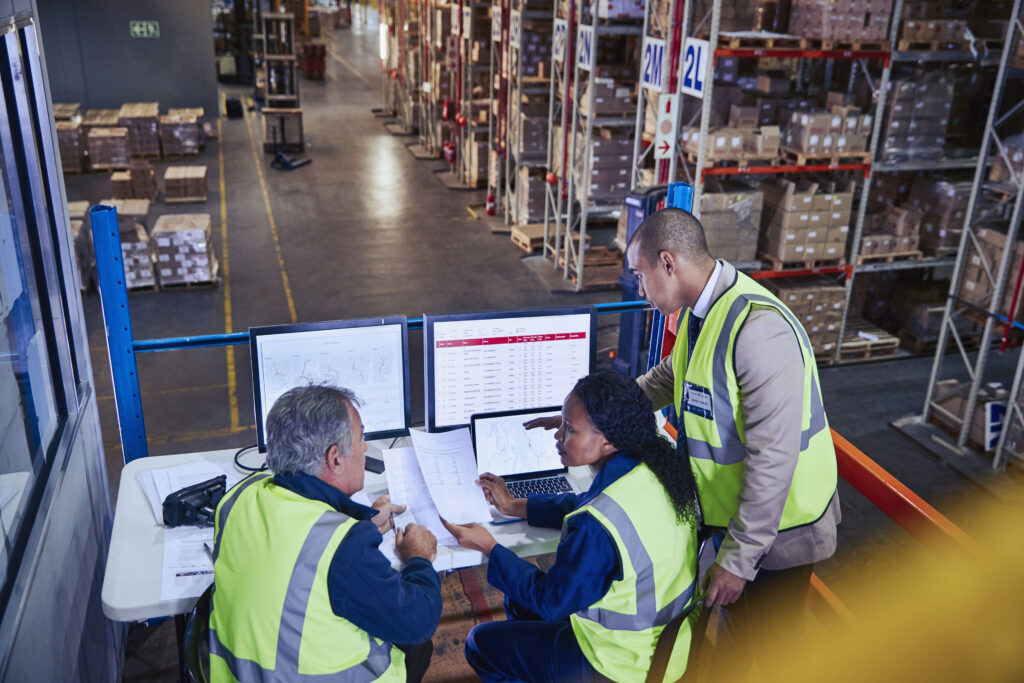
Kimaru helps supply chain managers connect demand, supplier, and logistics context to feasible inventory and resilience decisions, with authority and approved action kept explicit.
The Challenge
Supply chain managers must balance customer demand, supplier reliability, and inventory costs while navigating unexpected disruptions. Traditional inventory management approaches rely on static models that fail to account for real-time market changes. The result is excess inventory, stockouts, and reactive decision-making that impacts profitability and customer satisfaction.
External factors such as inflation, global supply chain instability, and changing consumer behaviors further complicate forecasting. Without intelligent, dynamic systems, companies struggle to maintain efficiency and control over their operations.
The Solution
Decision Models connect supplier, transportation, market, and inventory context to the choices, authority, and outcomes that matter in the operating environment.
The Impact
By integrating Kimaru.ai’s Decision Intelligence Agents, supply chain managers achieve:
- Reduced inventory holding costs by optimizing stock levels across locations.
- Improved order fulfillment rates, ensuring products reach customers on time.
- Faster response times to supply chain disruptions, minimizing operational delays.
- Stronger supplier relationships through AI-driven collaboration and insights.
According to Accenture’s “Resiliency in the Making” report, businesses that adopt AI-powered decision intelligence outperform competitors in revenue growth and supply chain stability. Kimaru.ai equips companies with the necessary tools to remain competitive in today’s volatile market.
Seamless Integration with Supply Chain Systems
Kimaru.ai integrates with existing Supply Chain Management (SCM), Enterprise Resource Planning (ERP), Warehouse Management Systems (WMS), Robotic Process Automation (RPA), and Customer Relationship Management (CRM) platforms. The platform aggregates and analyzes data across these systems, ensuring a unified approach to inventory optimization.
By embedding AI into existing workflows, supply chain managers can:
Streamline inventory tracking and replenishment.
Automate order adjustments based on predictive insights.
Reduce inefficiencies in warehouse and logistics operations.
The Future of AI in Supply Chain Management
See how Kimaru could support one recurring decision in your operating environment. Request a 30-minute conversation.