
About Kimaru
Decision Optimization for manufacturing and supply chains.
Industrial companies do not need more disconnected answers. They need better recurring decisions.
Kimaru brings together what your software shows, what your people know, and what AI recommends. It helps the company choose what to do, get the right approval, see what happened, and remember what worked.
Why Kimaru exists
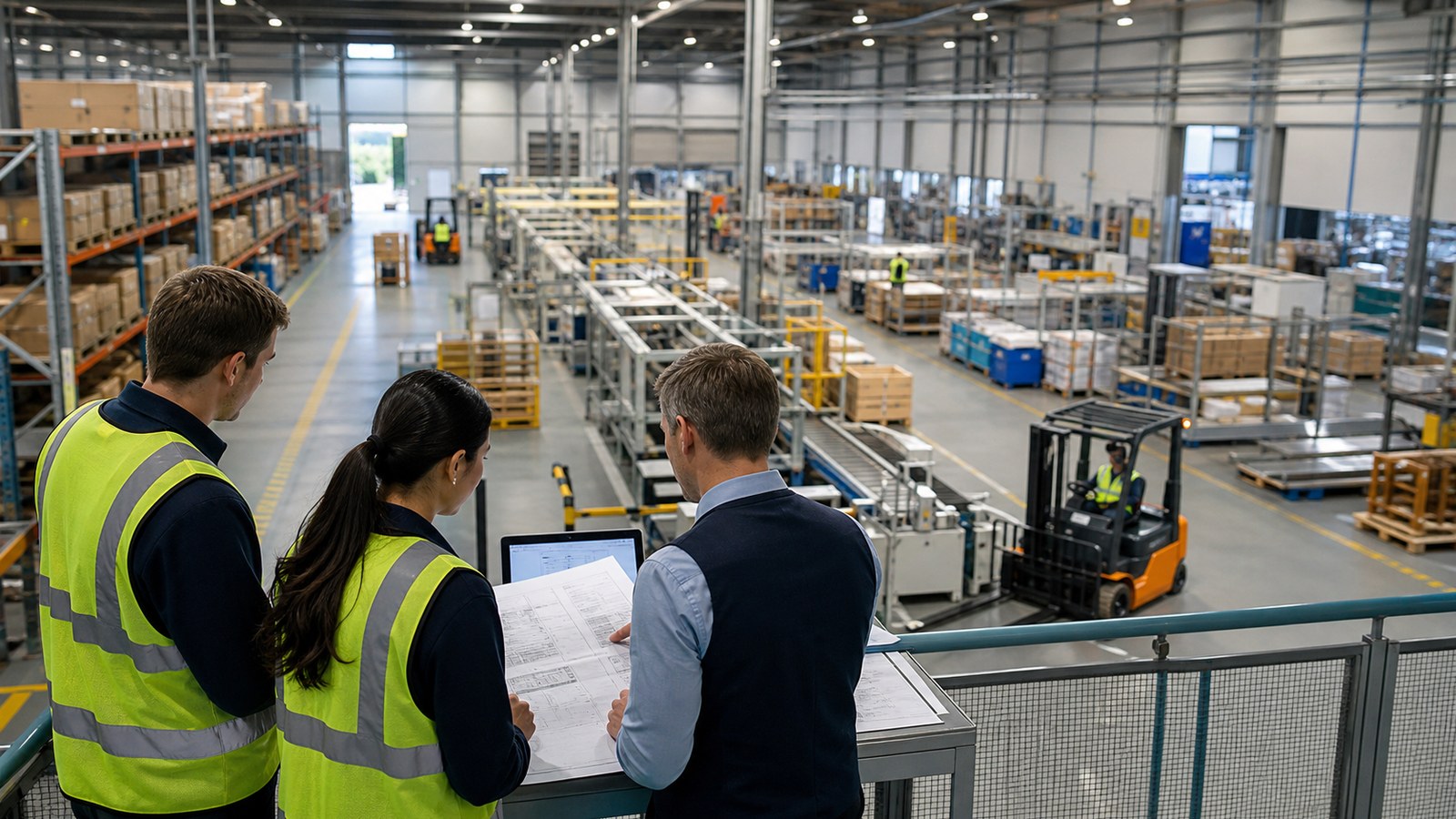
Better AI does not automatically create better company decisions
Companies already have ERP, planning tools, spreadsheets, dashboards, and experienced people. They are also gaining Copilots, agents, and AI tools that can search, write, summarize, recommend, and act.
Those tools are useful. But an important business decision is bigger than a task.
Kimaru keeps that whole decision together.
What we build
Decision Models for recurring business choices
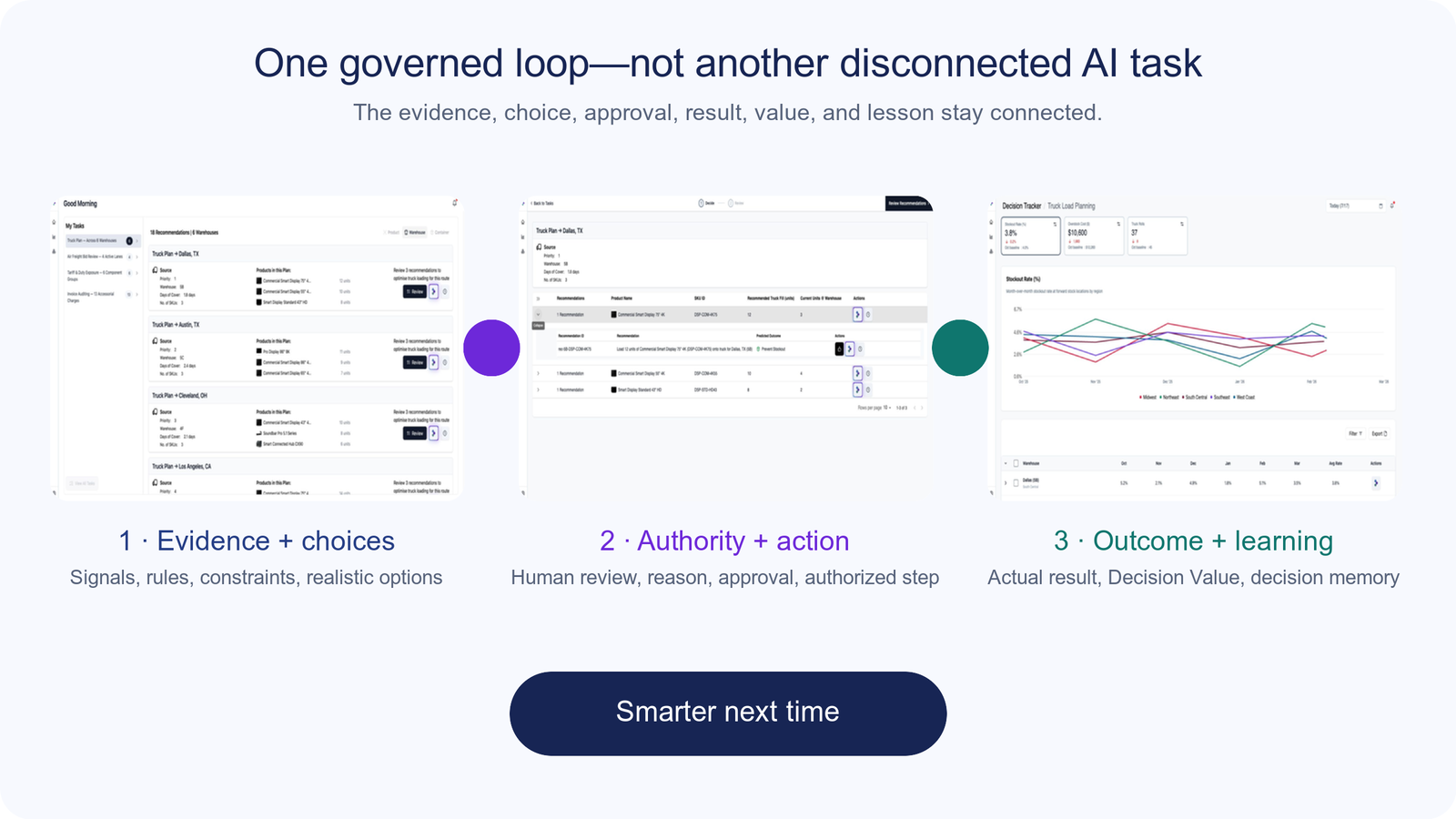
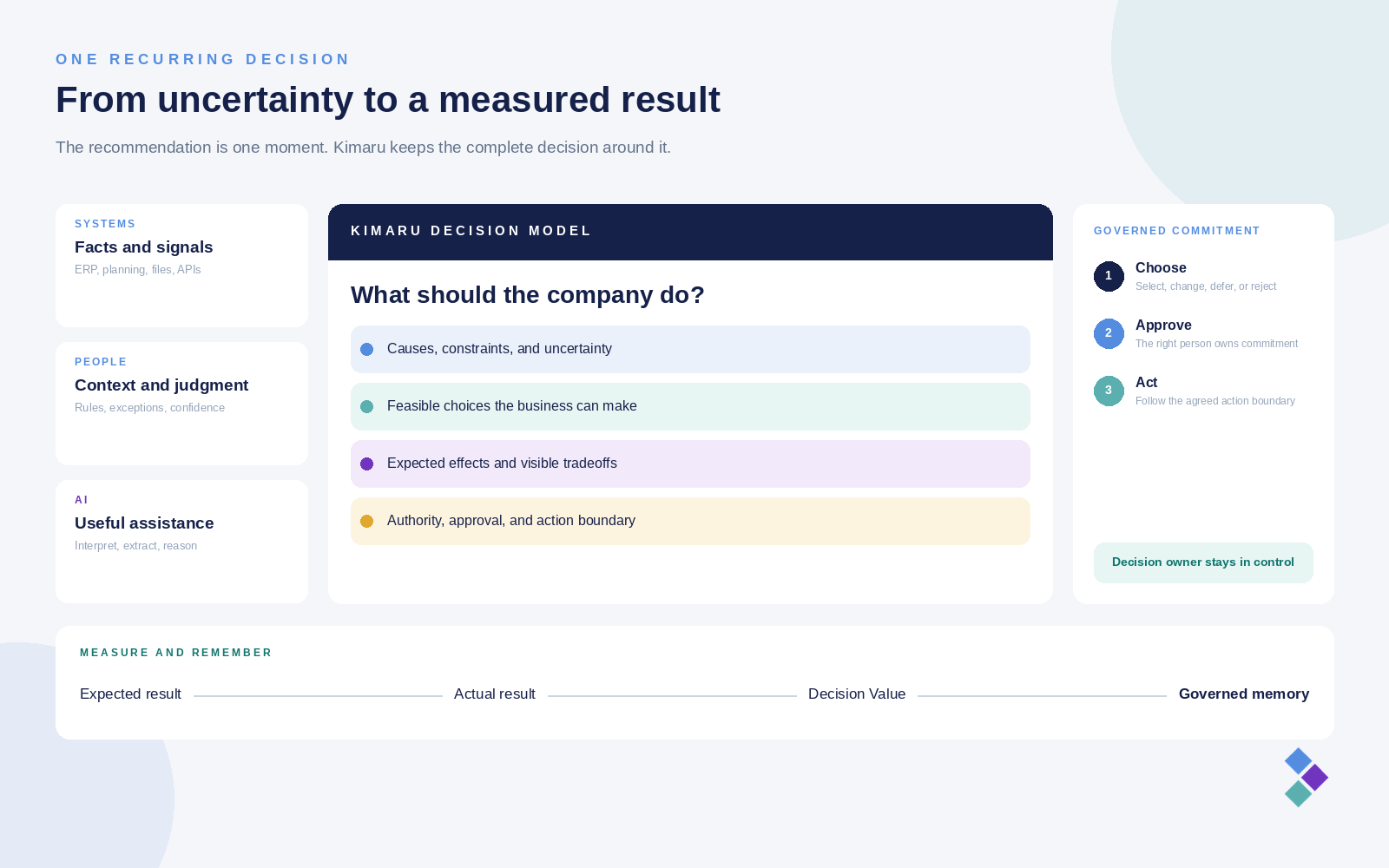
Kimaru turns the facts in existing systems and the judgment people use every day into Decision Models.
Each Decision Model is built around a recurring choice: what to buy, make, move, allocate, expedite, schedule, or promise. It compares realistic options, shows likely results, brings the choice to the right decision owner, records the approval or change, and tracks the actual outcome.
The result is a reviewable decision history that becomes reusable operating memory inside the agreed deployment and contractual boundary.
Our cofounders
Two cofounders, one shared problem
Kimaru was founded together by Evan Burkosky and Hareesh Nambiar, who first worked together in Japan. As Canadian and Indian founders with global operating experience, they saw the same problem from different angles: companies had more data and software, but important operating decisions still depended on knowledge that was difficult to see, govern, measure, and reuse.
They built Kimaru to turn that missing decision process into a durable company capability.

Evan Burkosky
Cofounder and CEO
Evan works with customers, partners, and the market to identify recurring decisions where clearer choices and measurable outcomes can create business value.

Hareesh Nambiar
Cofounder and CTO
Hareesh leads Kimaru's technical architecture and contributes to the company's patent work on Decision Intelligence. His work helps separate the durable Decision Model from the external AI models and agents that may support it.
Together, Evan and Hareesh share responsibility for Kimaru's direction, customer value, and long-term company.
What we believe
The company should keep the knowledge that makes its decisions better
Company
Kimaru AI, Inc.
- Corporate Number: Kimaru AI, Inc.
- EIN: 33-1995599
- Founded: November 15, 2024
- Tel: +1-737-377-1477
- Website: https://kimaru.ai/
- CEO: Evan Burkosky
- Office: 1606 Headway Cir STE 9718, Austin, TX, 78754
- Capital: $500,000
📍 1606 Headway Cir STE 9718, Austin, TX, 78754